
festivals & local celebrations
Hardly a week passes in Tenerife without a fiesta somewhere on the island. From the world-famous Carnival of Santa Cruz — one of the largest in the world — to intimate village romerías honouring patron saints, the Canarian calendar pulses with colour, music, and tradition.
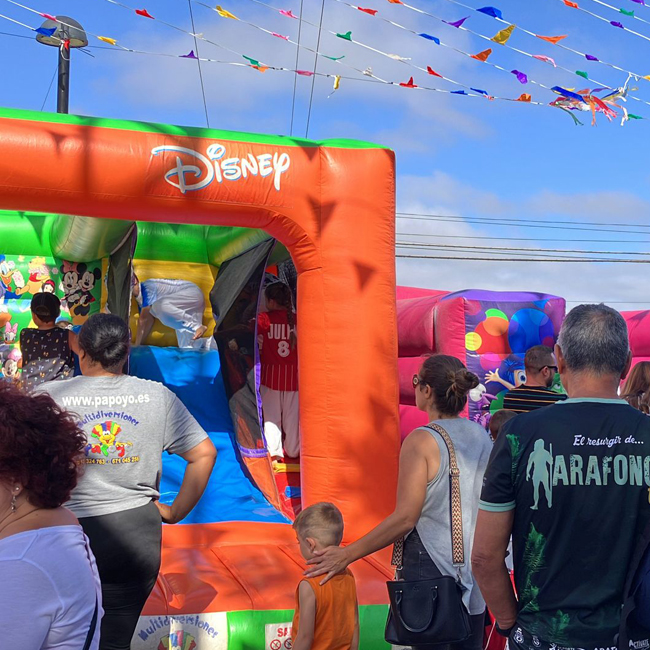
Local fiestas often feature processions, traditional Canarian folk music, fireworks, and communal feasts. They are the heartbeat of island life and a wonderful window into authentic Canarian culture.
Explore all upcoming festivals and celebrations below.
Every town in Tenerife keeps its patron-saint week: romerías with ox-carts and traditional dress, verbenas that run until sunrise, livestock fairs, fireworks over the harbour. The big ones are worth building a trip around — Carnival in Santa Cruz (February–March), the Romería de San Benito in La Laguna (July), Candelaria’s pilgrimage (mid-August), San Andrés and the new wine in November. Dates, towns and programmes appear here as the ayuntamientos publish them.
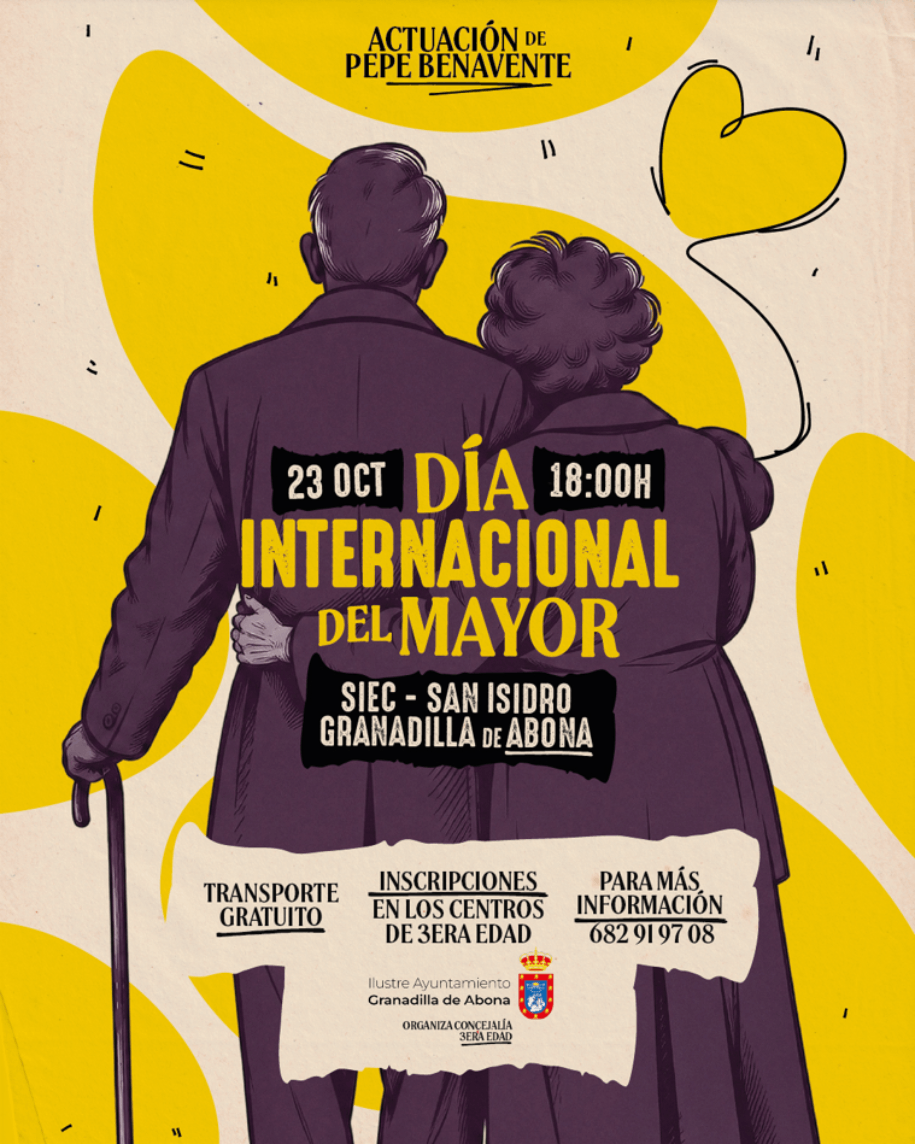



The must-see fiestas of the year
Carnival of Santa Cruz de Tenerife (late January–March) is among the world’s biggest — second only to Rio by most tellings. The core dates are the election of the Carnival Queen, the Coso (grand parade) on Shrove Tuesday, and the Entierro de la Sardina burial. Free galas every night in Plaza de España. The same calendar spills into Puerto de la Cruz’s Carnival, famous for its Mascarita Ponte Tacón high-heels race, and smaller Carnivals in Los Cristianos, Güímar and La Laguna.
Spring: Romería de Tegueste (one of Tenerife’s biggest, every April/May), Fiestas de Mayo (Los Realejos’ legendary fireworks battle between the Abajo and Arriba Crosses). Summer: Fiestas del Carmen (July, sea processions in every coastal town), Fiestas de Julio in Puerto de la Cruz, and the island-wide pilgrimage to Candelaria on 14–15 August — the feast of Tenerife’s patron saint. Autumn: Fiestas del Cristo in La Laguna (September). Winter: the second Candelaria feast on 2 February, when the basilica fills again.
Understanding romerías and verbenas
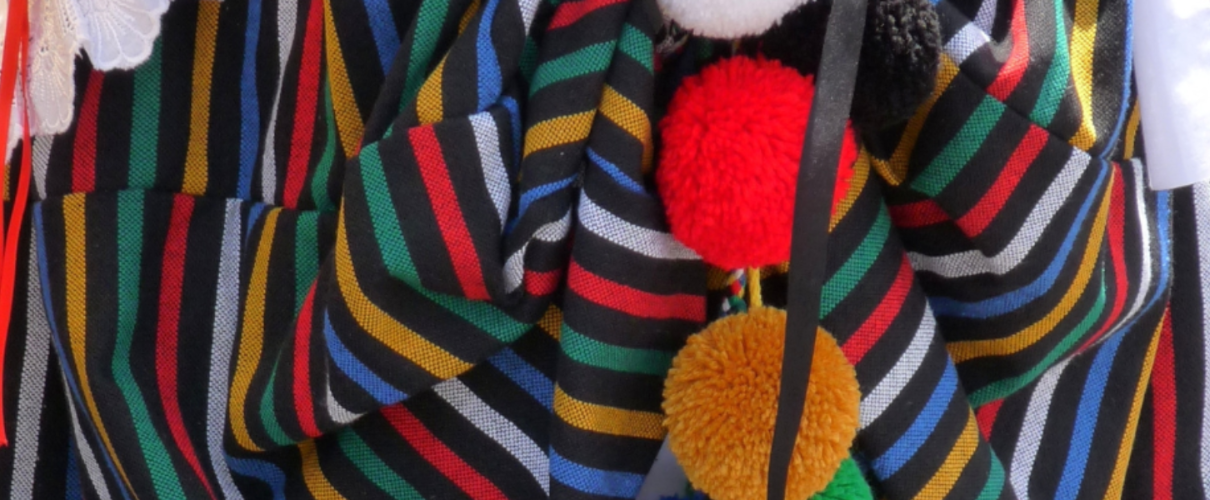
A romería is a walking pilgrimage from a village to a hermitage or basilica, with decorated ox carts carrying wine and food, folk music played on the timple (small Canarian string instrument) and parrandas, and traditional dress. Nearly every village runs one on its patron saint’s feast day. A verbena is the evening street-dance that follows — open to all, free, often with live Latin bands until 3 or 4am.
Frequently asked questions
What are the main festivals in Tenerife?
The biggest is the Carnival of Santa Cruz de Tenerife, held in February. Other highlights include Corpus Christi flower carpets in La Orotava, the May Crosses, San Juan bonfires in June, and the pilgrimage of San Benito in La Laguna.
When is Carnival in Tenerife?
Carnival typically takes place in February or early March, depending on the Easter calendar. The main events span about two weeks, with the grand parade (Coso) and election of the Carnival Queen as highlights.
What are romerías in the Canary Islands?
Romerías are traditional pilgrimages and processions that honour patron saints. Participants wear traditional Canarian dress, decorated ox carts carry local produce and wine, and everyone dances and feasts along the route.